Why Chandigarh saw its heaviest January rain
Chandigarh records wettest January day in four years after heavy rain
Chandigarh experienced its wettest January day in four years on Tuesday after heavy rainfall soaked the city through the day. According to the India Meteorological Department (IMD), the city received about 40 mm of rain by evening, making it the highest single-day January rainfall since January 23, 2022.
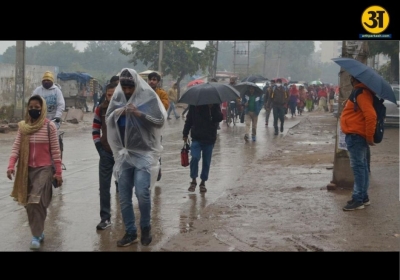
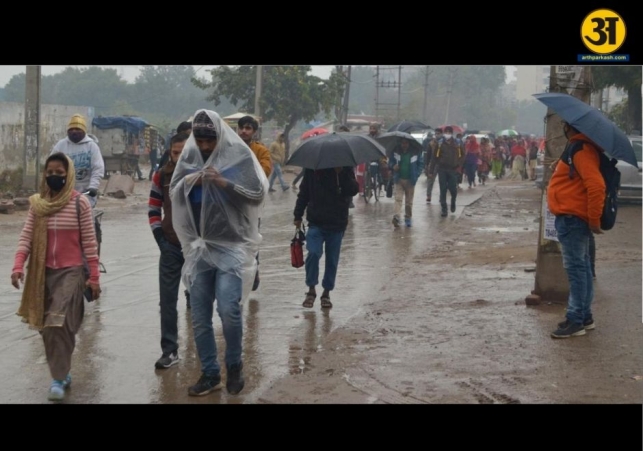
The continuous showers not only disrupted daily life but also brought a sharp fall in daytime temperatures. The maximum temperature dropped by nearly five degrees to 15.5°C, making the day feel colder than usual for residents. Streets remained wet, pedestrians walked carefully through puddles, and traffic slowed in many areas due to reduced visibility and strong winds.
IMD officials said the rain was caused by a strong western disturbance affecting north India. The system remained active through the day and is expected to influence weather conditions for at least another day.
Rainfall breaks winter records
The rainfall on Tuesday also became the wettest day of the current winter season in Chandigarh. It crossed the earlier winter high of 38.3 mm recorded on January 23. Meteorological data shows that such intense rainfall in January is uncommon but not unprecedented.
IMD officials explained that rain began in the morning and continued at intervals throughout the day. Different parts of the city recorded varying rainfall amounts. The IMD observatory at Sector 39 measured 5.7 mm of rain till 5.30 pm, while the Chandigarh airport recorded a higher figure of around 11 mm. Other local stations also reported steady rainfall, contributing to the overall total of nearly 40 mm.
ALSO READ: India-EU trade deal set to cut costs for Indian buyers
ALSO READ: Maduro’s US custody case begins as he faces drug and narco‑terrorism charges
Early morning fog further affected daily routines. Visibility dropped to about 800 metres, especially during the first few hours of the day. This caused delays and cautious driving across the city. As the day progressed, wind speeds increased and touched nearly 50 km per hour at times, adding to the chilly conditions.
IMD officials said the combination of rain, cloud cover, and strong winds led to the sharp fall in daytime temperatures. However, the rain also caused an unusual rise in night temperatures. The minimum temperature increased from 6.2°C on Monday to 10.1°C on Tuesday, which is around 2.3°C above normal for this time of the year.
Weather outlook for coming days
Weather experts said residents should remain prepared for more rain. The western disturbance responsible for Tuesday’s showers is expected to remain active on Wednesday as well. Light to moderate rain may continue, especially during the morning hours.
IMD Chandigarh director Surender Paul said brief relief from rainfall could be expected later in the week. However, he also warned that another western disturbance is likely to approach the region around February 1. If this system strengthens, it could bring fresh spells of rain and push temperatures even lower.
For the next three days, the IMD has predicted that maximum temperatures in Chandigarh will remain between 16°C and 20°C. Night temperatures are expected to stay in the range of 8°C to 9°C. This means cold and damp weather conditions are likely to continue, particularly during mornings and evenings.
The rain has brought mixed effects for residents. While it caused inconvenience due to waterlogging and traffic disruptions, it also helped improve air quality temporarily. The air quality index (AQI) had briefly improved to the “satisfactory” category due to rainfall washing away pollutants from the air.
However, by Tuesday evening, the AQI slipped back into the “moderate” category, with values ranging between 101 and 200, according to data from the Central Pollution Control Board (CPCB). Officials explained that AQI is calculated based on a 24-hour average. Because of this, they expect air quality to improve again and return to the satisfactory range on Wednesday if rain continues.
Impact on daily life
The wet weather affected normal life across Chandigarh. Many residents stepped out with umbrellas and raincoats, while office-goers faced slower commute times. Schools and colleges remained open, but attendance in some places was affected due to the weather.
Shopkeepers reported fewer customers, especially during the afternoon hours when rainfall intensified. At the same time, roadside tea stalls and food vendors selling hot snacks saw increased demand as people tried to stay warm.
Despite the inconvenience, farmers in nearby areas welcomed the rain, as it is expected to help winter crops by improving soil moisture. Experts said such rainfall can be beneficial for wheat and other rabi crops, provided it does not continue for too long.
Heavy rainfall in January is not very common in Chandigarh, making Tuesday’s weather event notable. The IMD continues to monitor western disturbances closely, as they play a major role in shaping winter weather across north India.
For now, residents are advised to stay cautious, avoid unnecessary travel during heavy rain, and follow weather updates issued by authorities. As the city waits to see how the next few days unfold, Tuesday’s downpour will be remembered as one of the wettest January days in recent years.
Related News